Human-led. AI-supported.
How AI supports our production process
Authentic Video uses AI selectively to improve efficiency, restore and organise source material, and support the production process. These tools can help with tasks such as transcription, audio repair, image restoration, captioning and early-stage editing. They do not replace human judgement, documentary craft or ethical responsibility. Every project remains shaped by careful listening, research, editorial judgement and respect for the people whose stories are being told.
1. IMAGE & VIDEO RESTORATION

AI-supported restoration tools can improve the clarity, resolution and usability of older photographs and video footage.
They can help reduce noise, sharpen details, enlarge small images, stabilise footage and generate smoother slow motion from lower-frame-rate material. This can make valuable archival content more suitable for modern documentary production.
These tools are used carefully. Enhancement can improve how source material is presented, but it should not alter the underlying people, events or meaning of the original image.
2. TRANSCRIPTION, CAPTIONING & FOOTAGE ORGANISATION
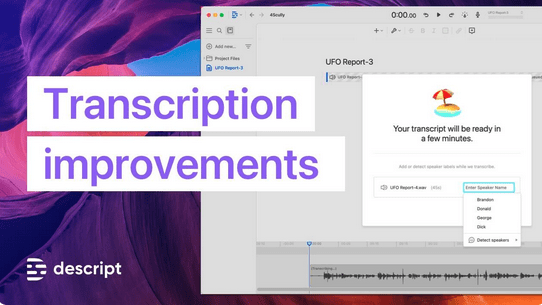
AI-supported transcription tools can quickly convert filmed interviews and other spoken content into searchable text.
This makes it easier to review large volumes of footage, identify key themes and quotations, prepare paper edits, and shape a clear documentary narrative. The same tools can also support captioning and subtitling, improving accessibility and making content easier to use across different platforms.
All transcripts and captions are reviewed by a human, particularly where names, specialist language, accents or emotionally sensitive material are involved.
This makes it easier to review large volumes of footage, identify key themes and quotations, prepare paper edits, and shape a clear documentary narrative. The same tools can also support captioning and subtitling, improving accessibility and making content easier to use across different platforms.
All transcripts and captions are reviewed by a human, particularly where names, specialist language, accents or emotionally sensitive material are involved.
3. AUDIO REPAIR & ENHANCEMENT
Clear audio is essential to documentary storytelling.
AI-supported tools can help reduce background noise, improve speech clarity, balance volume levels and restore older or imperfect recordings. This can make interviews, archival audio and voiceovers easier to understand and more suitable for professional production.
Audio enhancement is applied carefully. The goal is to improve clarity while preserving the natural character, emotion and authenticity of the original recording.
AI-supported tools can help reduce background noise, improve speech clarity, balance volume levels and restore older or imperfect recordings. This can make interviews, archival audio and voiceovers easier to understand and more suitable for professional production.
Audio enhancement is applied carefully. The goal is to improve clarity while preserving the natural character, emotion and authenticity of the original recording.
4. SCRIPT DEVELOPMENT & EDITORIAL SUPPORT

AI can support parts of the script-development process by helping organise transcripts, summarise themes, explore possible structures and refine early drafts.
It can also assist with interview guides, shot lists, voiceover drafts, titles and captions. This can make the development process faster, particularly when working with large volumes of research or interview material.
Final scripts remain human-led. Documentary structure, tone, factual accuracy and the meaning of participants’ words all require careful editorial judgement.
It can also assist with interview guides, shot lists, voiceover drafts, titles and captions. This can make the development process faster, particularly when working with large volumes of research or interview material.
Final scripts remain human-led. Documentary structure, tone, factual accuracy and the meaning of participants’ words all require careful editorial judgement.
5. VOICEOVER & NARRATION SUPPORT
AI-supported voice tools can assist with draft narration, timing, pronunciation testing and temporary voice tracks during the editing process.
In some projects, carefully selected synthetic voices may also provide a practical option for final narration—particularly where budget, timing, language or accessibility requirements make traditional voice recording difficult.
Voice choice is always considered carefully. Consent, transparency, tone and suitability for the story remain essential, and a real human voice is preferred whenever it adds greater authenticity or emotional connection.
In some projects, carefully selected synthetic voices may also provide a practical option for final narration—particularly where budget, timing, language or accessibility requirements make traditional voice recording difficult.
Voice choice is always considered carefully. Consent, transparency, tone and suitability for the story remain essential, and a real human voice is preferred whenever it adds greater authenticity or emotional connection.
6. EDITING & ROUGH-CUT SUPPORT
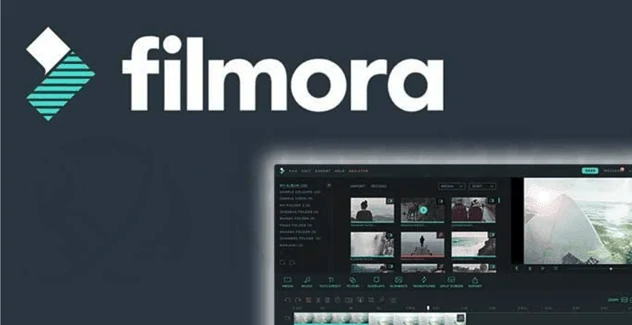
AI-supported editing tools can help organise footage, identify relevant moments, synchronise transcripts with video, remove pauses and repetitions, and prepare early assemblies or rough cuts.
This can reduce time spent on repetitive technical tasks and allow more attention to be given to narrative structure, pacing, emotion and meaning.
Final editing remains a human process. Selecting the most important moments, representing participants fairly and shaping a coherent documentary story all require editorial judgement that cannot be delegated to software.
This can reduce time spent on repetitive technical tasks and allow more attention to be given to narrative structure, pacing, emotion and meaning.
Final editing remains a human process. Selecting the most important moments, representing participants fairly and shaping a coherent documentary story all require editorial judgement that cannot be delegated to software.
Where we draw the line.
AI can help restore, organise and enhance authentic source material. It should not be used to invent evidence or create fictional footage that audiences may mistake for a real person, event or experience. For documentary, research and personal storytelling, trust is fundamental. We therefore distinguish clearly between enhancement and fabrication. Any AI-supported treatment must preserve the meaning of the original material, respect the people represented and avoid misleading the audience. Our guiding principle is simple: the people, experiences and evidence at the heart of the story must come from authentic sources.
 "image title")
Exploring how AI could support your project?
Tell us about the story, research or source material you are working with. We can help identify where AI-supported tools may improve efficiency or quality—and where human judgement should remain central.